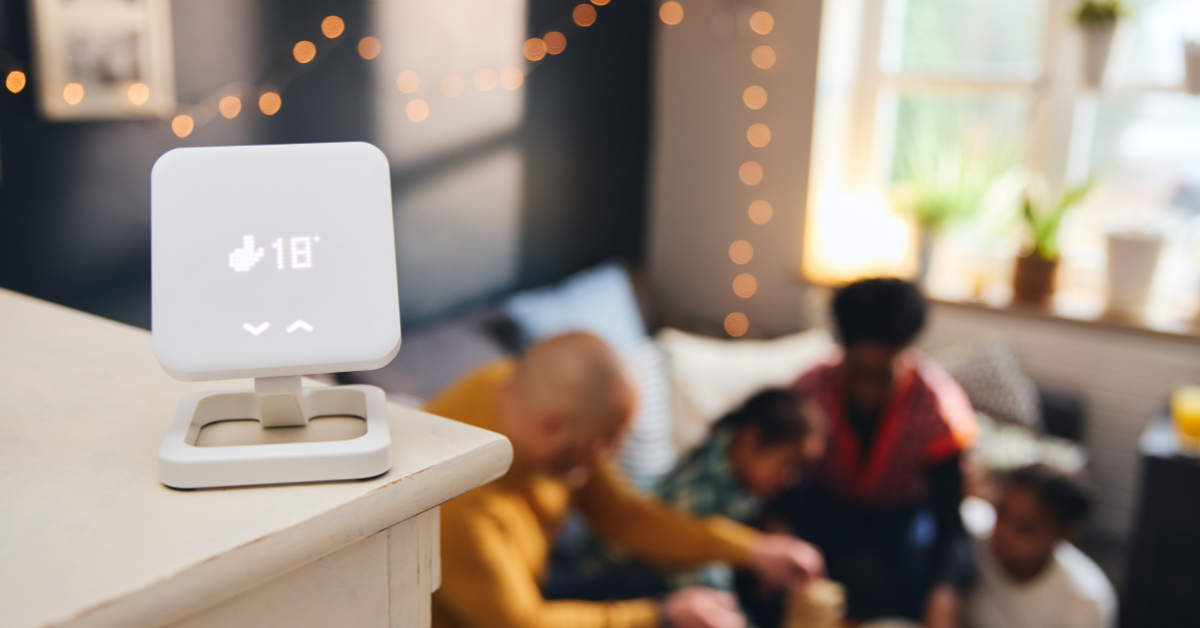
Many people set their heaters to 18°C to save on electricity, enduring the cold in hopes of reducing their utility bills. But how effective is this strategy in reality? And could this decision negatively impact your health? In this article, we examine how much you can actually save with this setting, what risks may arise from enduring the cold, and how to stay comfortable while keeping your heater at a lower temperature.

Electricity Cost Changes When Heating Is Set to 18°C
The electricity cost of heating appliances depends heavily on the difference between the indoor temperature setting and the outdoor air temperature. The greater the difference, the more energy is consumed. A setting of 18°C is considered quite low for heating, and is often chosen by households conscious about saving energy.
Below is a comparison of estimated daily electricity costs by temperature setting.
| Temperature Setting | Estimated Power Consumption | Estimated Daily Cost |
|---|---|---|
| 20°C | approx. 7.5kWh | approx. ¥233 |
| 19°C | approx. 6.9kWh | approx. ¥214 |
| 18°C | approx. 6.3kWh | approx. ¥195 |
| 17°C | approx. 5.7kWh | approx. ¥177 |
Lowering the setting by 2°C can save over ¥1,000 per month. This could translate to over ¥10,000 in annual savings, making it a worthwhile consideration for long-term cost management. However, these figures are only estimates and can vary depending on insulation performance, building structure, and the type of heating appliance used.
Health Risks of Enduring the Cold Indoors
While lowering the temperature may reduce your electricity bill, it also increases health risks associated with cold environments—especially for the elderly, people with chronic illnesses, and households with small children.
Here is a breakdown of health risks by room temperature level.
| Indoor Temperature | Potential Health Impact |
|---|---|
| Below 16°C | Increased blood pressure, strain on the heart |
| Below 14°C | Adverse effects on respiratory system |
| Below 12°C | Hypothermia, reduced immune function |
| Below 10°C | Increased risk of heart attacks and strokes |
Room temperatures under 14°C are associated with significant health risks. Even if your heater is set to 18°C, poor insulation may cause your perceived temperature to be much lower, so additional measures are needed to protect your health.
Practical Ways to Stay Warm at 18°C
Even at 18°C, you can maintain comfort by using certain techniques to raise your perceived temperature. The key is to focus on how your body feels, not just the number on the thermostat.
Here are effective strategies for improving indoor warmth.
| Method | Effectiveness |
|---|---|
| Thermal curtains, window films | Blocks cold air, reduces heat loss through windows |
| Use of humidifiers | Increases perceived warmth by 2–3°C |
| Floor rugs, slippers | Prevents cold from entering through the floor |
| Layered clothing | Traps body heat and enhances insulation |
| Hot water bottles, heated blankets | Provides direct warmth to specific areas of the body |
Combining these strategies allows you to stay warm without raising the thermostat. Simply enduring the cold is not only uncomfortable but also detrimental to your health in the long run.
Lifestyle Adjustments That Support Smart Heating
To live comfortably with a low-temperature setting, you should also adjust daily habits to work with your heating plan.
| Lifestyle Habit | Benefit |
|---|---|
| Doing chores during the warmest part of the day | Reduces need for heating during colder hours |
| Soaking in a hot bath | Warms the body deeply, less reliance on heating |
| Turning on the heater before dusk | Prevents rapid room temperature drops |
| Using additional bedding | Keeps you warm while sleeping, improves sleep quality |
Small behavioral changes like these can result in long-term energy savings without compromising comfort or health.
Is 18°C Reasonable or Too Much of a Sacrifice?
A setting of 18°C can certainly reduce electricity bills, but whether it’s appropriate depends on individual comfort levels. Some people can tolerate it well, while others may find it unbearably cold and develop health issues.
The Ministry of the Environment in Japan recommends indoor temperatures of around 20°C in winter. In the UK, health authorities advise maintaining at least 18°C to ensure wellbeing. This shows that 18°C is widely considered to be a borderline temperature where health and energy efficiency can balance out.
However, those who are more sensitive to cold should prioritize comfort and health over savings. The most important principle is not to overdo it. Pushing yourself to stay in the cold may result in illness, which defeats the purpose of saving on electricity.
Conclusion
Setting your heater to 18°C can lead to meaningful reductions in your electricity bill, but it’s crucial to balance savings with comfort and health. Blindly lowering the thermostat without addressing insulation or adjusting your environment can lead to health issues or discomfort.
Rather than focusing only on numbers, consider your real living environment. Smart insulation, humidity control, warm clothing, and lifestyle adjustments are all effective tools to enhance comfort even at lower temperatures.
By taking a comprehensive approach, you can achieve both comfort and savings this winter—without unnecessary sacrifice. Take this opportunity to evaluate your heating habits and find the balance that works best for you and your household.
